
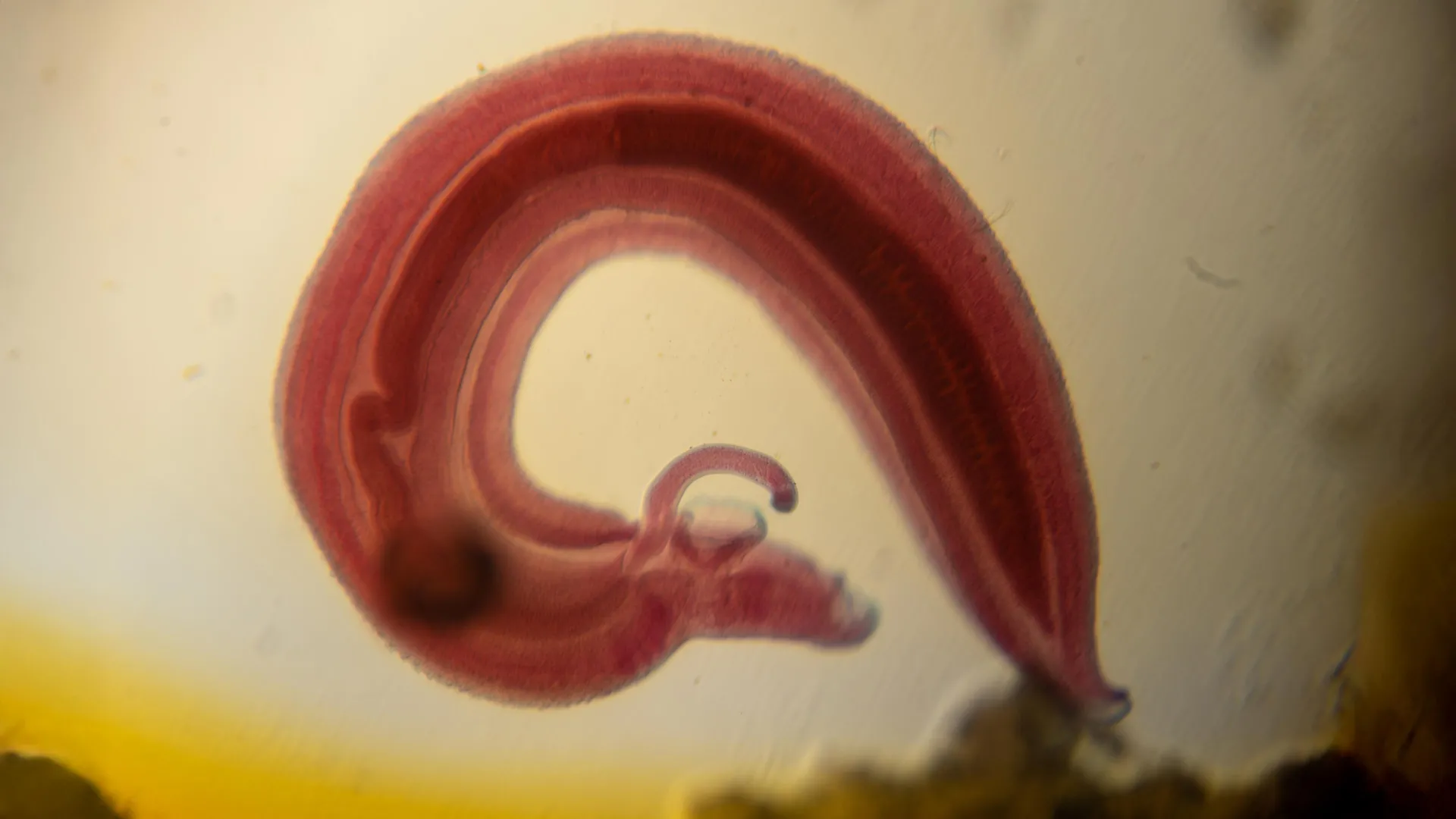
Researchers have identified a parasitic organism that can suppress the host's pain response by targeting specific molecular pathways involved in pain signaling. The parasite achieves this by producing compounds that bind to and inhibit key molecules responsible for detecting and transmitting pain signals to the brain. This manipulation allows the parasite to infect its host without triggering an effective immune response, enabling it to establish a successful infection.
The discovery of this parasitic mechanism has significant implications for our understanding of how parasites interact with their hosts at the molecular level. It also highlights the complex relationship between the host's immune system and the mechanisms used by pathogens to evade detection and cause disease. Further research is needed to fully understand the scope and significance of this finding, but it may ultimately lead to new approaches in developing treatments for parasitic infections.
Looking for professional hair restoration? Visit RubenHair Clinic