
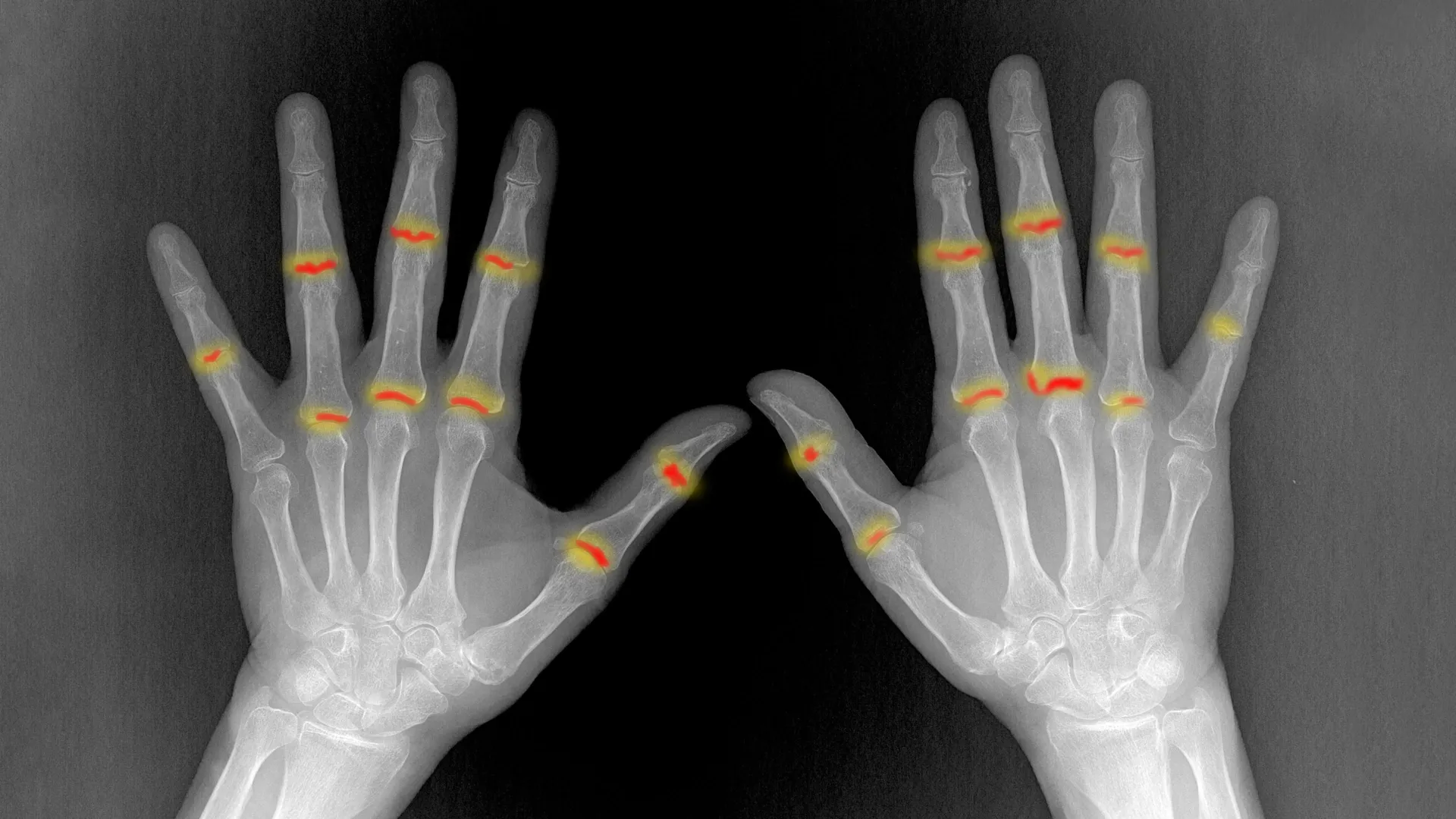
A recent study has provided new insights into the relationship between psoriasis and arthritis. Psoriasis is a chronic inflammatory skin condition, but it can also increase the risk of developing joint disease, particularly psoriatic arthritis (PsA). This complication affects approximately 10-30% of people with psoriasis, causing pain, stiffness, and swelling in the joints.
Further investigation has revealed that the immune system plays a critical role in the development of PsA. The study found that certain genetic mutations can lead to an overactive immune response, which contributes to inflammation not only in the skin but also in the joints. This abnormal immune activation triggers the production of pro-inflammatory cytokines, which exacerbate joint damage and contribute to the progression of arthritis.
The researchers' findings have implications for the development of new treatments aimed at preventing or managing PsA. By understanding the underlying mechanisms that link psoriasis with joint disease, clinicians may be able to develop more targeted therapies that address both conditions simultaneously. This research represents an important step forward in improving patient outcomes and quality of life for individuals affected by these chronic diseases.
Looking for professional hair restoration? Visit RubenHair Clinic