
Micro-nano-plastics found in artery
Researchers have found micro-nano-plastics in artery-clogging plaque in the neck of individuals. This discovery raises concerns about the potential health effects of plastic pollution on cardiovascular health.
Latest news and articles about genetic research
Researchers have found micro-nano-plastics in artery-clogging plaque in the neck of individuals. This discovery raises concerns about the potential health effects of plastic pollution on cardiovascular health.
A recent study suggests that central adiposity, or belly fat, is more strongly linked to the risk of developing psoriasis than overall body fat. Researchers found a significant association between abdominal fat and psoriasis risk.
A recent study has found that indoor tanning triples the risk of developing melanoma, a type of skin cancer. The research also suggests that indoor tanning can lead to widespread DNA mutations, which can have long-term consequences for overall health.
Researchers at Lund University have identified a specific combination of genetic mutations that significantly increases the risk of blood clots. This mutation combination is present in some individuals and can lead to an increased risk of clotting, which may have serious health implications.
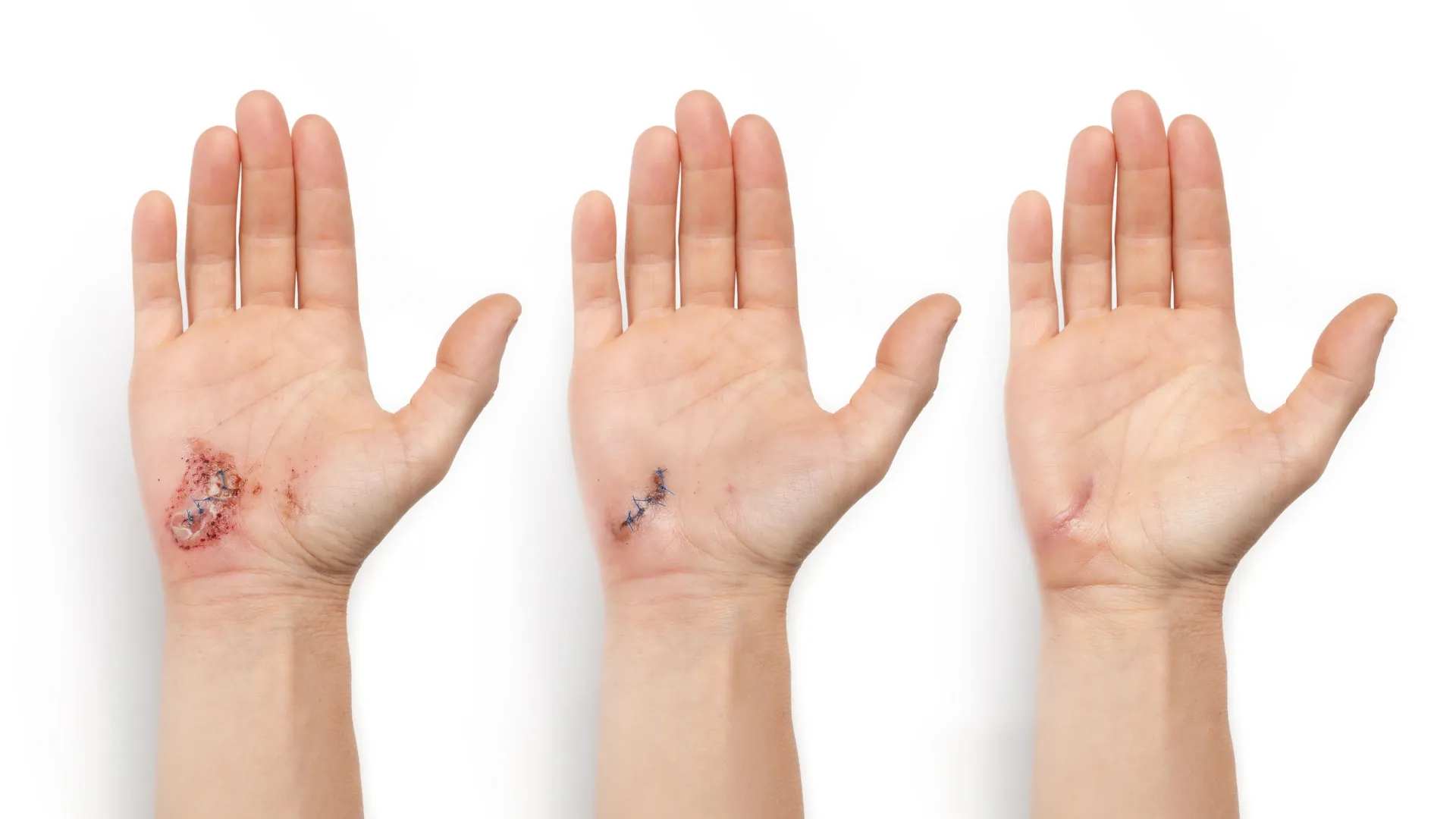
Researchers at the University of California - Santa Cruz have developed an innovative AI-powered smart bandage that accelerates wound healing by approximately 25%. This cutting-edge technology demonstrates significant promise for improving patient outcomes in wound care.
Northwestern University. "Burning for Beauty: How TikTok Skin Trends Are Harming Young Girls." ScienceDaily. ScienceDaily, 9 June 2025. <www.sciencedaily.com/releases/2025/06/250609054355.htm>.
A recent study published in The Lancet reports a significant surge in global cancer incidence, highlighting the inadequacy of current healthcare systems to meet this growing burden. According to the findings, the world is woefully unprepared to address the escalating number of cancer cases.
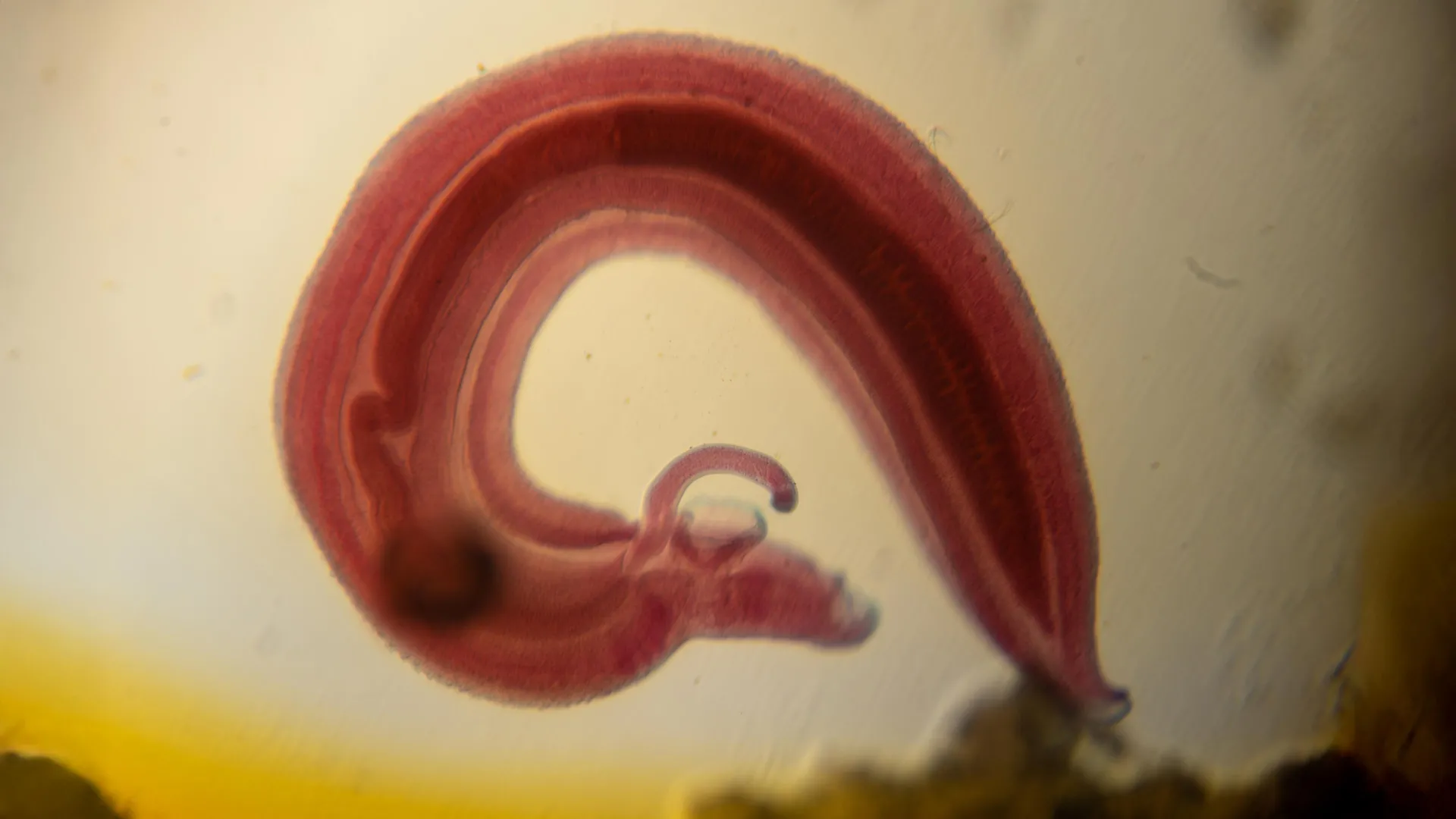
Researchers have identified a parasitic worm that can manipulate its host's pain response, effectively silencing the body's natural pain alarm system. This phenomenon has been observed in several species and could have significant implications for our understanding of pain regulation.
Researchers at the University of Massachusetts Amherst have developed an experimental vaccine that has shown significant promise in preventing cancer in laboratory settings. The vaccine, dubbed "super vaccine," was able to effectively target and neutralize cancer cells.